Ask a room of parents what stressed them most before family portraits and the answer is rarely the children. It is the closet. Somewhere between matching white shirts in 2009 and buying four new outfits the night before, most families land in an anxious middle. The good news is that family portrait clothing follows a few reliable rules, and once you know them the decision takes an evening, not a week of returns.
The one rule: coordinate, do not match
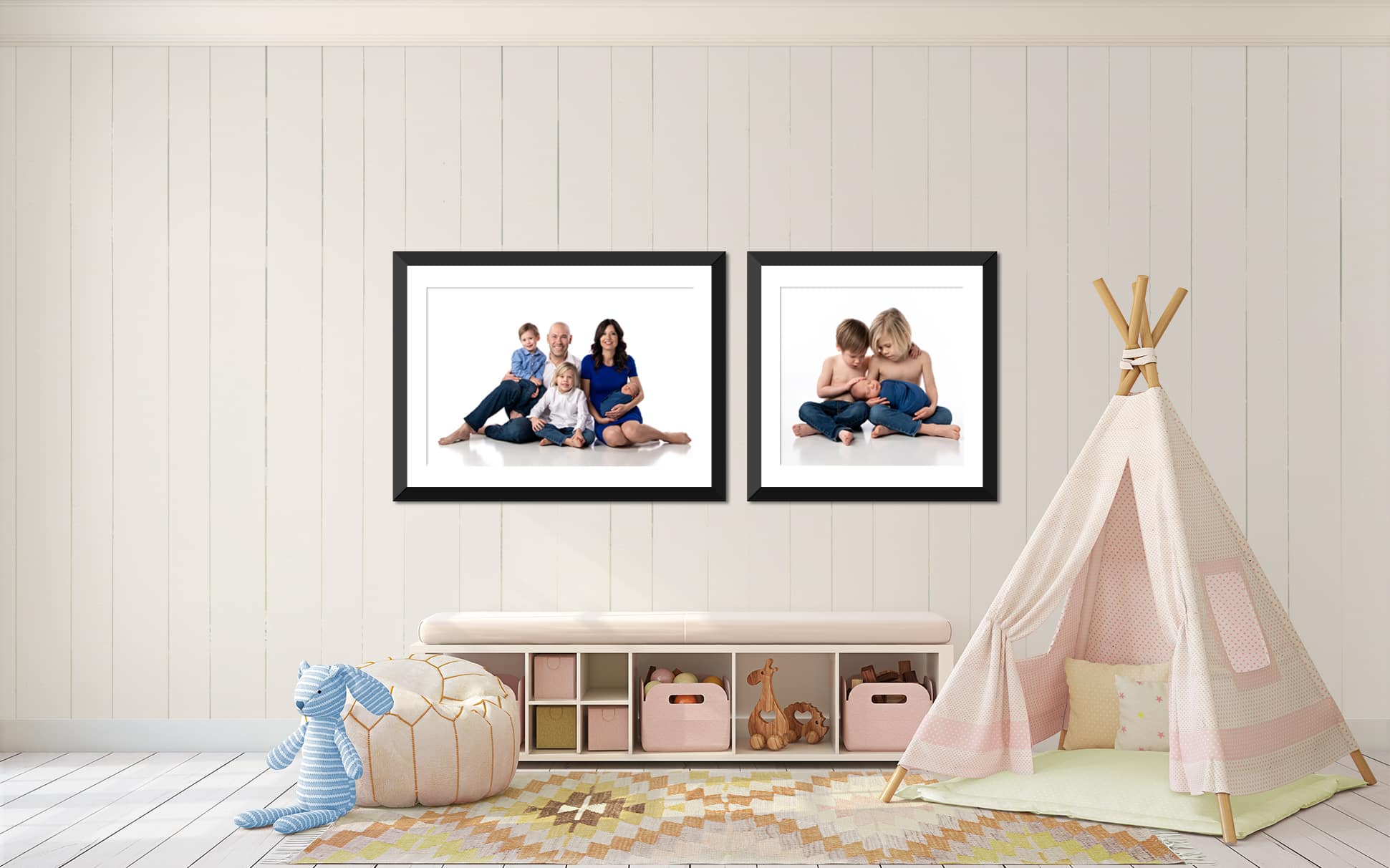
Matching outfits flatten a family into a uniform. Coordinated outfits keep everyone visually connected while still looking like themselves, which is what you want on the wall in fifteen years. Coordination means choosing a palette, usually three or four colors that sit well together, and letting each person wear a different combination from inside it. One person in burgundy, another in navy, a child in a plaid that contains both, and the family reads as a group without a single repeated outfit. Photographers have given this advice for decades because it works in nearly every location, from a Fort Mill field at sunset to a studio backdrop.
Start with one person's outfit, traditionally the mother, because adult women's clothing has the widest color and pattern range and is the hardest to shop for last. Pull the palette out of that outfit. Everyone else's clothes get chosen to answer it, which turns an overwhelming group decision into a series of small ones.
- Pick a palette of three or four colors, including one neutral, and dress everyone from inside it
- Start with the hardest person to dress, usually Mom, and build everyone else around that outfit
- One patterned piece in the group is plenty; dress everyone else in solids pulled from its colors
- Skip neon colors, giant logos, and thin stripes, which fight the camera and date quickly
- Lay every outfit out together, shoes included, and photograph the lineup a week ahead
- Bring a backup shirt for every small child, and accept that the backup may become the outfit
- Try on, sit down, and lift a child in the clothes before the session day
Colors that behave, and colors that argue
Mid-tone and deeper colors photograph calmly: navy, burgundy, forest, mustard, denim, cream, gray. They hold up in Piedmont light, which is bright and green for much of the year, and they keep the eye on faces. Pure white is the pushiest color in a photograph; the camera exposes for it and faces go comparatively dark, so cream and soft ivory are the safer versions. Neon is the true troublemaker, because it can cast its color onto nearby skin. Black is fine in moderation but a whole family in black against a shaded wooded backdrop can merge into one shape, so break it up with texture and other tones.
Patterns follow a rationing rule. One patterned garment in the group, maybe two if one is very subtle. Thin, tight stripes and tiny checks can shimmer on camera, a video-era problem that still shows up in stills when fabric moves. Large logos turn a portrait into an advertisement and date it instantly, and they are the single most common clothing regret photographers hear at ordering time.
Fit, comfort, and the sitting-down test
Portraits involve sitting on steps, kneeling in grass, holding children, and being hugged from unexpected angles. Clothes that only work standing still in a mirror will spend the session being tugged at, and the tugging shows. Try everything on a week ahead, sit down in it, lift the toddler in it, and fix what fails at home. For children, comfort is not a preference, it is strategy: a child in an itchy sweater has a forty-minute fuse, and the best expressions usually arrive at minute forty-five. Shoes count, too. They will be in the photos, so the scuffed everyday sneakers everyone forgets to check are worth five minutes of attention.
Let one real thing in
The portraits families love most usually contain one honest detail: the boots Dad wears every day, a daughter's instrument, the quilt a grandmother made. Building a single personal element into the wardrobe plan, rather than dressing the family as catalog models, gives the images a story, and stories are what survive on walls. This is the same instinct behind senior sessions at studios like Ann's Photography, where the student's own sport or instrument shapes the session, and it works just as well when the whole family is in the frame.
Common questions
Should the whole family match outfits for portraits?
No. Coordinate inside a shared palette of three or four colors instead, letting each person wear a different combination. Coordinated families look connected but individual; matched families tend to look like a team photo.
What colors photograph best outdoors?
Mid-tones and deeper shades like navy, burgundy, forest green, mustard, denim, and cream behave well in bright, green Carolina light. Avoid neon, which can cast color onto skin, and be sparing with pure white and head-to-toe black.
When should we choose the outfits?
About a week before the session. That leaves time to lay everything out together, try it on sitting down, fix problems, and set out a backup shirt for each small child, without a night-before shopping run.
← All guides from Ann's Photography← Back to Ann's Photography