Somewhere in your professional life there is a photograph of a younger person with your name under it. The hair was different, the glasses were different, possibly the industry was different. Everyone means to update it, and the headshot refresh keeps losing to urgent work because it feels vain and complicated. It is neither. A headshot is a piece of business equipment, and a branding session is a short, structured appointment with a clear output. Here is how it runs and how to get a result that still looks like you.
How old is too old for a headshot
The honest test is recognition. If a client who knows you only from your profile photo would hesitate when you walk into the coffee shop, the photo has expired. For most people that arrives every two to three years, sooner after a major change: significant weight change, new glasses worn daily, a beard grown or removed, hair worn in a completely different way. The two- or three-year rhythm also keeps clothing and photo styles current, since dated styling in a headshot quietly suggests dated thinking in everything else.
There is a subtler cost to the ancient headshot. Meeting someone who looks noticeably older or different than their photo creates a small, unfair moment of doubt at exactly the moment first impressions form. Nobody consciously holds it against you. The photo's job is to remove friction, and an expired one adds it.
What happens in the session
A branding session at a full-service studio, like the commercial work at Ann's Photography, starts with a short conversation about where the images will live: LinkedIn and a company site, a real estate sign, a book jacket, a speaker page. Each use crops and reads differently, so the photographer shoots a range, some tight headshots, some wider frames with environment, some vertical, some horizontal. Wardrobe usually runs two or three changes: the formal version, the working version, and the approachable version. Lighting and background are adjusted to the industry; a lawyer and a landscaper should not come out looking like they work at the same company.
Direction is constant and specific, which surprises people who dread posing. A good photographer tells you where your chin goes, which shoulder drops, when to breathe out, and shoots enough frames that the real expression shows up between the performed ones. Sessions typically run thirty minutes to an hour for headshots, longer when locations and team members are involved.
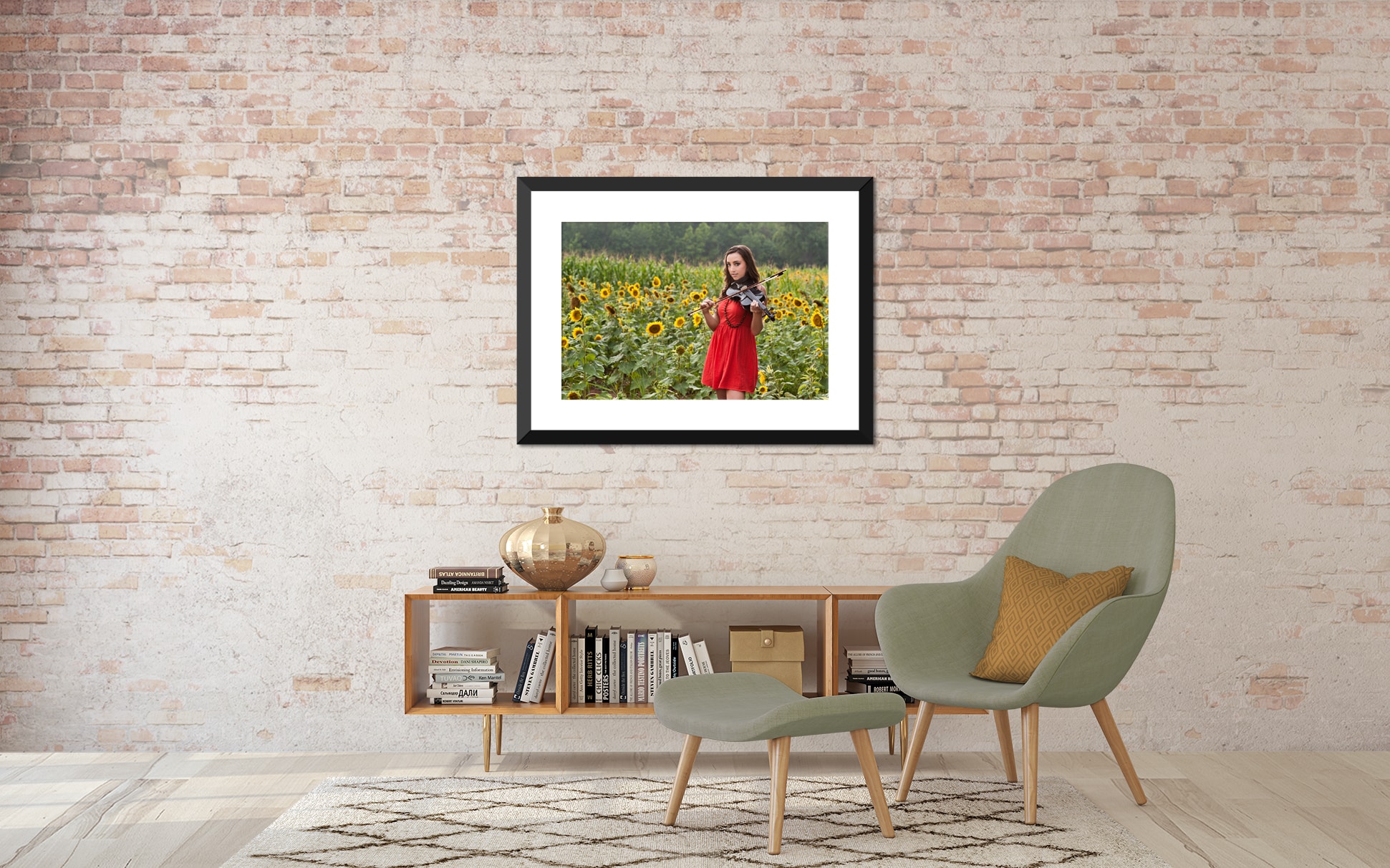
Wardrobe and grooming that photograph honestly
Wear what you wear to meet an important client, in the version of it that fits best. Solid colors near the face keep attention on your expression; a jacket adds structure that photographs well on nearly every build; and the top you choose should be one you can sit, stand, and gesture in without adjusting. Glasses you wear daily should be in the photo, because recognition is the point, though a few frames without them give you options. Haircuts should be a week old, not a day old, so they have settled into how you actually wear them, and any grooming experiment you have been considering should wait until after the session. The goal is you on a good and accurate day, the version a client will meet.
Using the set after delivery
Update everything in the same week: the professional profiles, the company site, the email signature if it carries a photo, and the speaker or listing pages you forget until someone screenshots the old one. Keep one consistent primary image across platforms so people recognize you as the same person everywhere. Store the full-resolution files somewhere safer than your downloads folder, and note the date in your calendar two years out. The refresh reminder is the cheapest part of the whole system, and it is the part that keeps a thirty-minute session every few years from becoming another decade-old photograph with your name under it.

Common questions
How often should I update my headshot?
Every two to three years for most professionals, and sooner after any change that affects recognition: daily glasses, a beard change, a major hair change, or significant weight change. The test is whether a stranger could pick you out of a coffee shop lineup from the photo.
What should I wear for a branding session?
What you wear to meet an important client, in its best-fitting version. Bring two or three changes spanning formal and approachable, favor solid colors near the face, and wear your everyday glasses if you wear them every day.
I hate being photographed. How bad is it?
Shorter and more directed than you expect, usually thirty to sixty minutes, with the photographer giving constant specific direction rather than asking you to perform. Most people are surprised by how mechanical, and therefore painless, the process is.
← All guides from Ann's Photography← Back to Ann's Photography